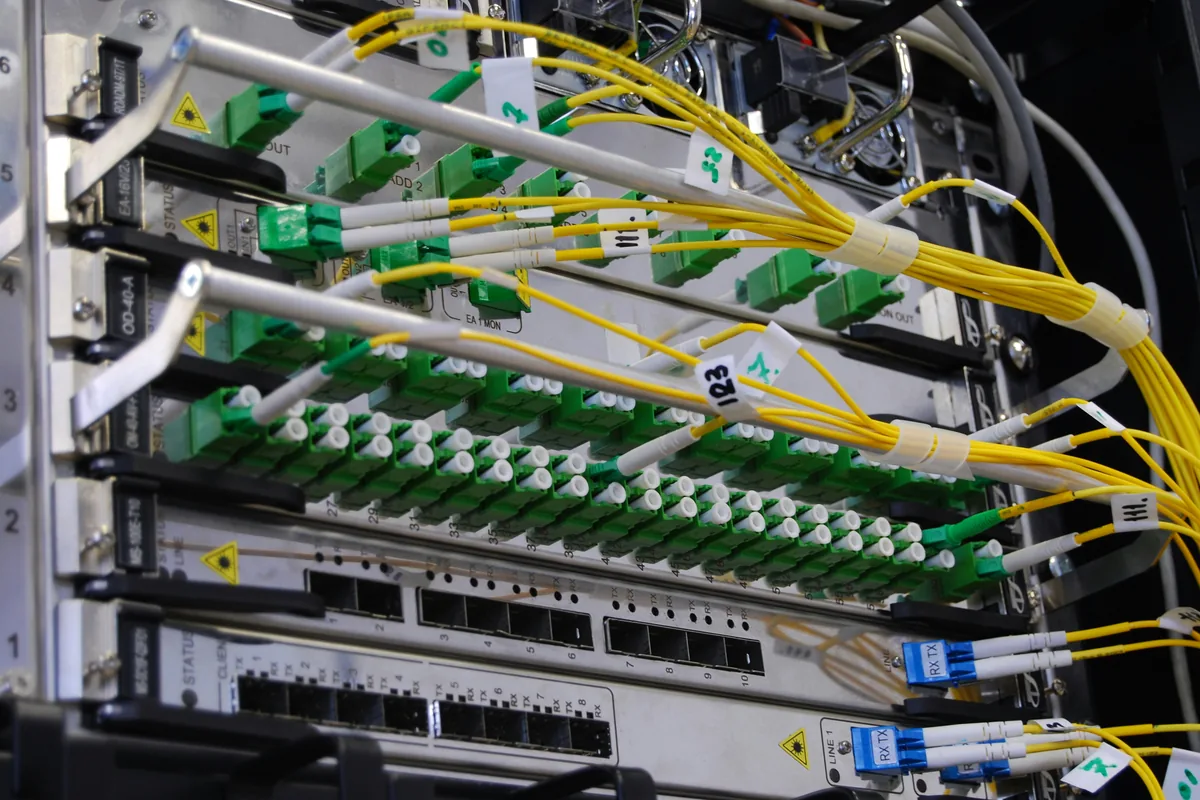
Infrastructure Penetration Testing
Understand and fix the security weaknesses an attacker could exploit. We provide infrastructure penetration testing for Scottish and Northern UK businesses with clear reports and remediation guidance.
What is infrastructure penetration testing?
Infrastructure penetration testing is an authorised assessment of agreed networks, servers and security devices. It combines automated checks with careful manual work to show which weaknesses were exploitable during the test window and what should be fixed first.
At Riverbank IT Systems, our infrastructure tests cover both on-premise and cloud environments. We examine perimeter defences, internal network segmentation, remote access services such as VPNs and Citrix, Active Directory, DNS, DHCP, email gateways, and backup systems. We also review cloud infrastructure hosted in Microsoft Azure, AWS, and Google Cloud because a misconfigured storage bucket, overly permissive security group, or weak identity setup can be just as damaging as a missing firewall patch.
Why it matters for organisations across Scotland, Northern England and Northern Ireland
Businesses of any size can expose services or miss updates. Testing focuses on the routes relevant to your environment, such as remote access, firewall configuration, wireless networks and administrator accounts.
A test gives you a dated view of weaknesses found in scope and evidence that can support customer or internal risk discussions. It can also check whether selected controls behave as expected, without guaranteeing the wider environment is secure.
How Riverbank IT Systems approaches infrastructure testing
We begin with your critical services, test boundaries and contact plan. Reconnaissance and scanning cover the authorised addresses and systems, followed by controlled validation and reporting under the agreed rules of engagement.
The exploitation phase is where a penetration test differs from a simple scan. If we find a weak service account, an unpatched web server, or a firewall rule that is too permissive, we attempt to demonstrate the real-world impact. This might mean moving from a guest wireless network to an internal domain, capturing credentials, or accessing sensitive file shares. By showing what an attacker could actually do, we help you prioritise the fixes that matter most.
Outputs and ongoing support
The agreed report separates an owner summary from the technical evidence and prioritised fixes. Where a retest is included, we repeat the reported checks and record their status; a limited retest does not prove that no new weakness exists elsewhere.
After the test, we can help plan remediation or a proportionate programme of scanning, monitoring and staff guidance. The next steps are based on your risks, customer requirements, available time and budget.
Get free advice before you decide
Speak to Riverbank IT Systems about Infrastructure Penetration Testing for organisations across Scotland, Northern England and Northern Ireland.
Book a free consultationPenetration testing - frequently asked questions
What is infrastructure penetration testing?
It is a controlled attack on your network, servers, firewalls and connected devices to find weaknesses a real attacker could use - unpatched systems, weak configurations, exposed services. Findings come with ranked, fixable recommendations rather than vague warnings.
What is included in an infrastructure pen test?
External attack surface, internal network segmentation, server and firewall configuration, wireless where relevant, and credential strength. The scope is agreed in writing beforehand so the test covers what matters to your business and nothing you did not ask for.
How often should infrastructure be penetration tested?
At least annually, and after major changes - new offices, firewall replacements, big cloud migrations or mergers. Annual testing also satisfies most cyber insurance policies and Cyber Essentials Plus expectations.
Will infrastructure testing take our systems offline?
The test is scoped to avoid disruption and any potentially risky techniques are agreed with you first. Most infrastructure testing runs alongside normal operations without staff noticing, and out-of-hours windows are available for anything sensitive.
How much does infrastructure penetration testing cost?
It sits in the band for a typical business network, scaling with the number of sites and systems in scope. Every quote is written and fixed before work starts - call 07967 928551 and we will ring back within 15-30 minutes.
Do we get a retest after fixing the findings?
Yes - retesting the original findings is included in the engagement, so you can prove to insurers and auditors that the fixes actually closed the vulnerabilities rather than just being applied on paper.